The Creator Economy Playbook for 2026
One-off campaigns are dead weight. In 2026, the brands winning are building creator ecosystems — not running activations. Here's the new playbook.

.png)
The creator economy isn't evolving. It's reorganizing.
In 2026, influence isn't a tactic. It's infrastructure. Brands aren't just hiring creators to make content — they're building systems around them.
The ones still running campaign by campaign are optimizing for visibility. The ones building ecosystems are compounding value through trust, cultural relevance, and sustained presence. This shift isn't theoretical. It's already reshaping how modern brands operate — and how agencies show up to lead that work.
One-Off Campaigns Are Dead Weight for Your Budget
Until recently, creators were slotted into marketing calendars the same way you'd slot in a seasonal media buy. The brand had a message, the creator was the megaphone, and the post was the output.
That model doesn't hold up anymore.
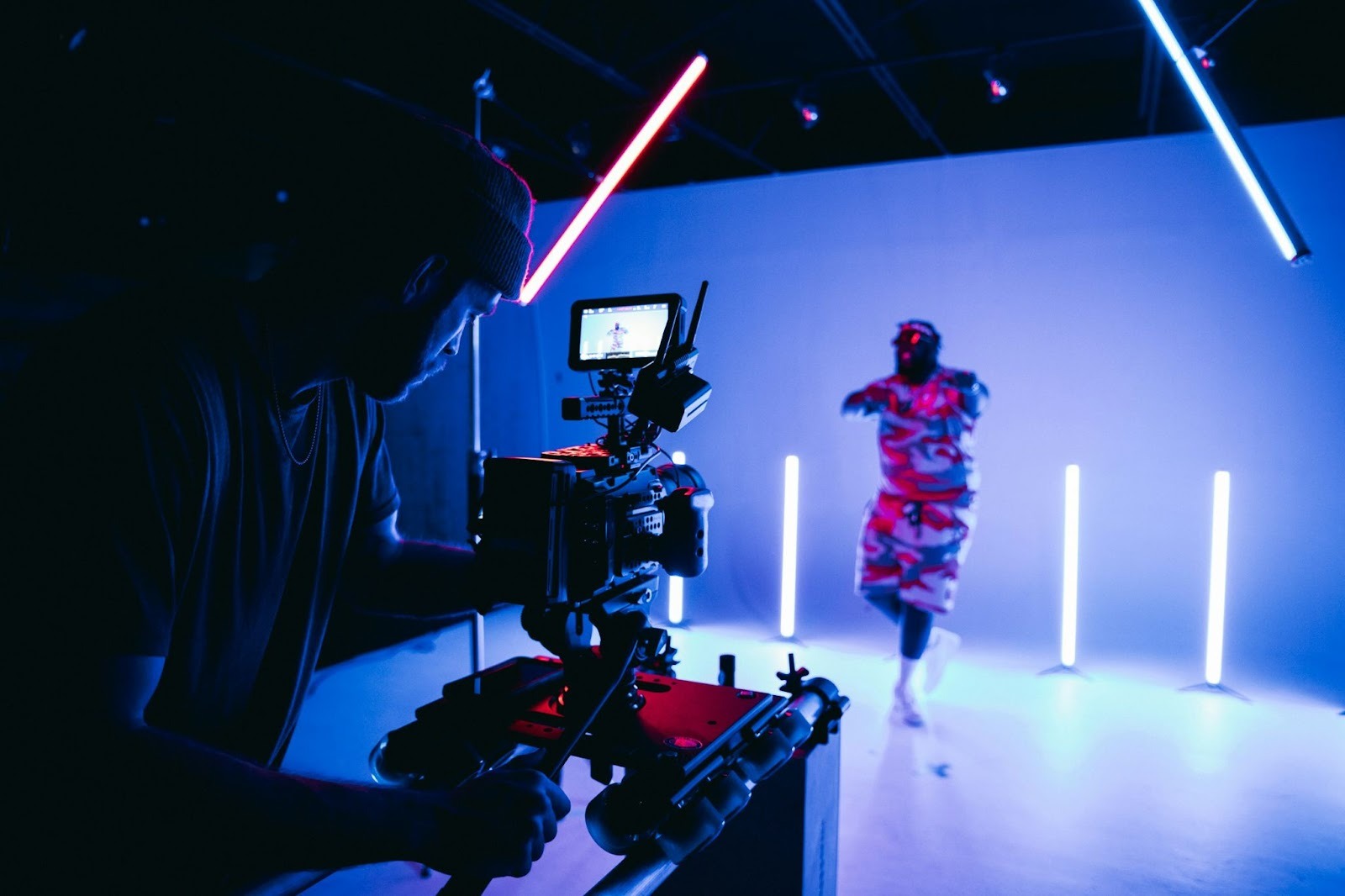
The brands pulling ahead in 2026 aren't working with creators to fill content gaps. They're building operations where creators are central to how they function — brand storytelling, customer education, and product feedback loops.
After 16 years and 750+ campaigns, this has been the clearest shift Intuition Media Group has witnessed. The long-term wins don't come from splashy activations. They come from creators who are consistently part of the brand's world.
That's the difference between buying a moment and building momentum.
Paid Ads Got More Expensive. Consumers Stopped Trusting Them.
Several forces are converging. Ad performance is declining — costs are rising while returns flatten. Interruption-based media is delivering less for more. Audiences trust people, not brands. Creator content consistently outperforms brand-created assets because it reflects community, not messaging. And internal teams simply can't keep pace with cultural shifts the way creators can — they live inside those conversations in real time.
Brands don't have a reach problem. They have a relevance problem.
Branded assets can scale impressions. But they can't scale trust. Creator-led content does both. That's why the smartest brands aren't just using creators for social — they're building paid strategy, landing pages, email, and product storytelling around creator content.
When belief drives performance, everything works harder. That's what infrastructure actually looks like.
Your Internal Team Doesn't Have Bandwidth for This
Always-on doesn't mean constant posting. It means creators are embedded in business operations — not orbiting the edges of the marketing plan.
Product launches. Customer education. How-tos. Unboxings. Feedback loops. Community engagement. These aren't social tactics — they're business functions. Creators can support all of them when the workflows exist to make that possible.
Most internal teams aren't set up to support this model. Strong processes, scalable briefs, and alignment across product, marketing, and CX are required. Without them, creator relationships stay transactional — and the potential compounds into nothing.
If Your Agency Disappears After Posts Go Live, Find a New One
When a brand wants to move from sporadic activations to sustained creator partnerships, the agency becomes the architect. Not the executor — the architect.
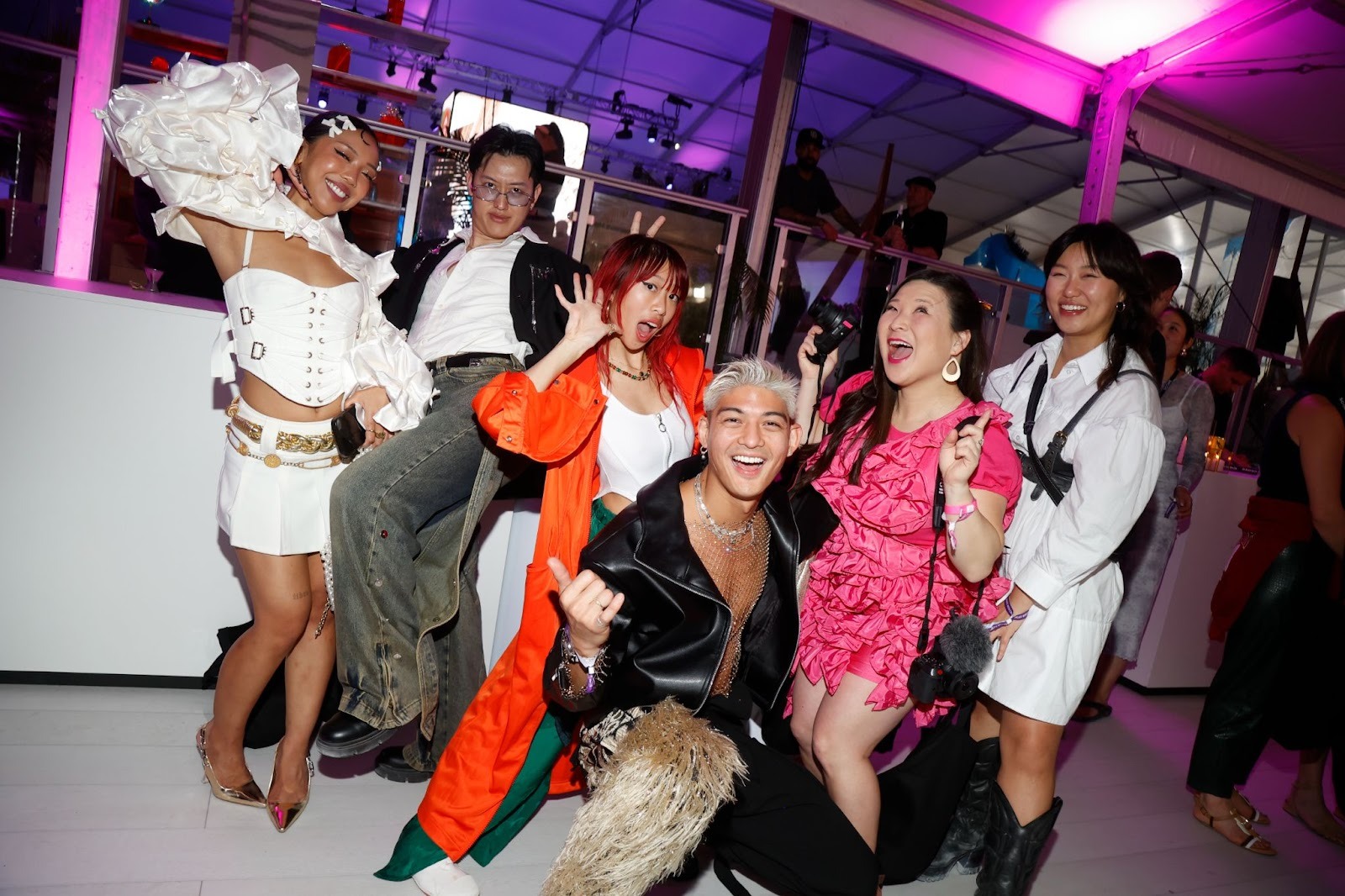
That means sourcing long-term relationships rather than one-off collabs. Designing workflows that keep content consistent without constant firefighting. Integrating creators into touchpoints brands don't always think about — unboxing videos, how-to content, product feedback, community management.
Six weeks before Canon's Basel event, they needed 300 influencers on the ground. Intuition Media Group executed it because the framework was already built. The relationships, the processes, the workflows were ready to scale on short notice.
That's not campaign management. That's operational design. Your agency should show up with frameworks that last — not one-off ideas that disappear when the content goes live.
From Campaign Managers to Operational Architects
The role of the agency in the creator economy is fundamentally changing. The traditional model — cast talent, ship product, manage posts, report metrics — is no longer sufficient.
Modern brands need consistent creator output, long-term trust with audiences, and integration across product launches, education, community, and commerce. Campaign thinking can't support that demand.
The agencies winning right now are infrastructure builders — designing the workflows, relationship models, data systems, and internal handoffs that allow creator programs to scale without overwhelming internal teams. The new benchmark for agency value isn't execution. It's operational design.
Where to Start If You're Ready to Stop Renting Attention
Audit your model. How much of your creator budget goes to one-offs vs. long-term partnerships? Campaign spend alone doesn't build anything that compounds.
Choose the right agency. Ask how they design operations — not just how they execute briefs. They should be able to explain how creators support real business functions beyond social.
Build internal alignment. Creator ecosystems fail when product, CX, brand, and growth teams aren't working from the same map.
Install infrastructure. This is where the IC4 Model comes in — creator qualification, creator-brand fit, content performance prediction, and continuous optimization. It's how creator programs move from marketing channel to operating layer. Because influence, once built into your operations, becomes an asset no one else can rent.
Ready to stop renting attention and start building something that compounds?
Intuition Media Group helps brands move from transactional campaigns to always-on creator ecosystems. If you're ready to build the infrastructure, let's talk.
Read more post










%20(1).png)