From Sponsorships to Ownership: The Future of Creator Partnerships
Why top creators are seeking equity, creative control, long-term partnerships, and what brands need to know heading into 2027.

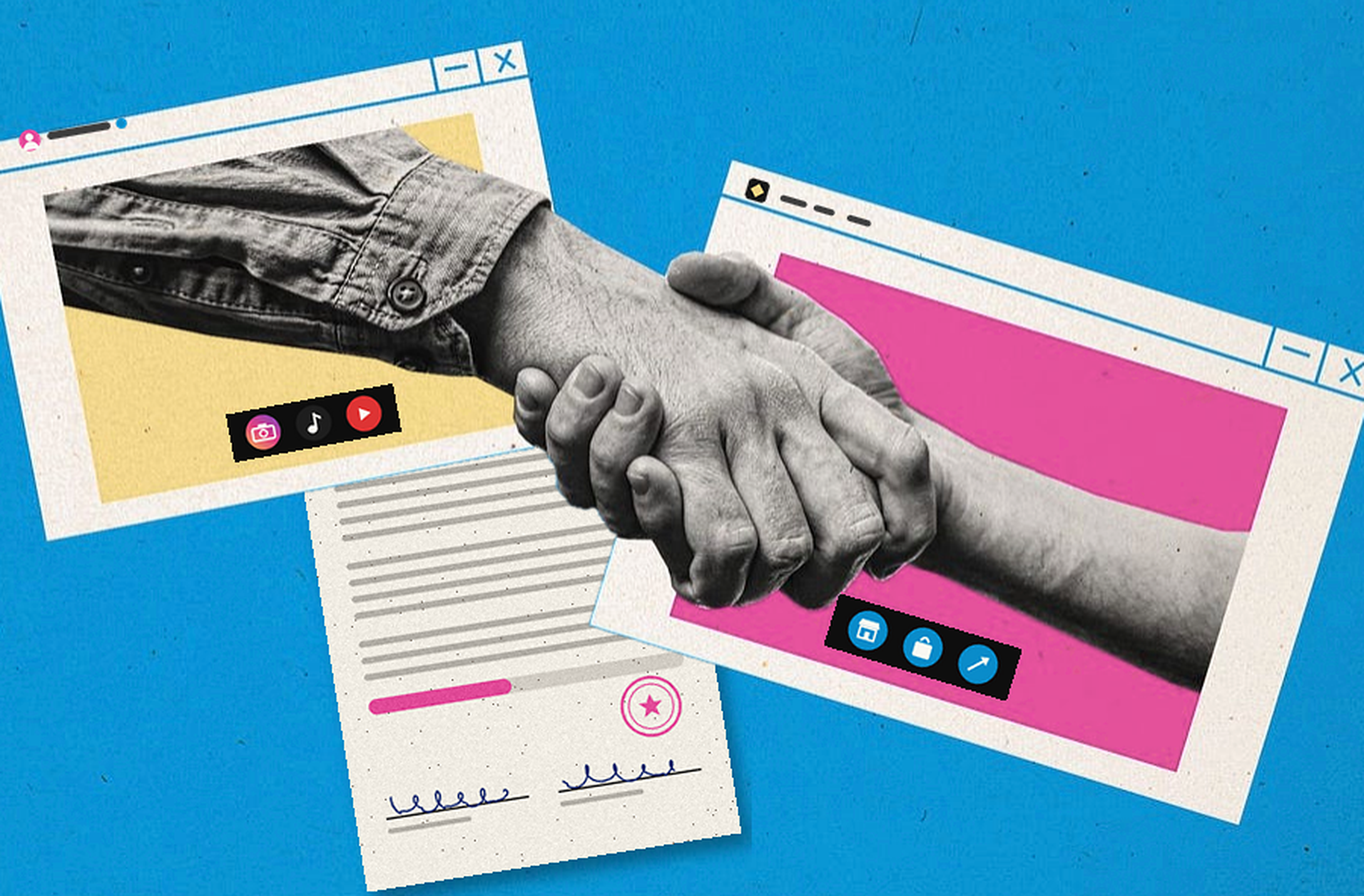
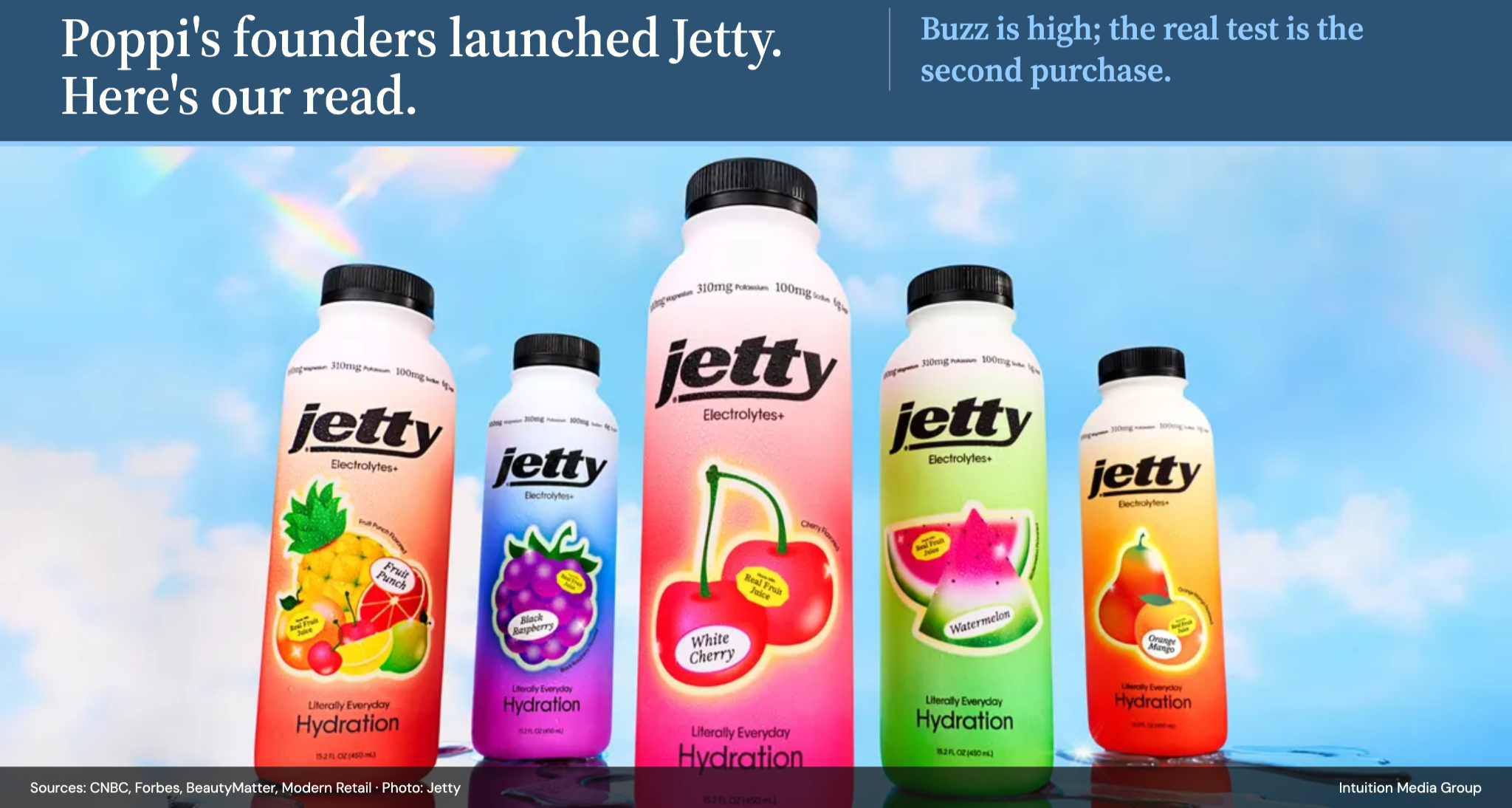
When the founders of Poppi started planning the launch of their new hydration brand, Jetty, their team reached out to hundreds of creators. The reply they heard most often wasn't a request for product. It was a question: when can I invest?
I keep coming back to that detail. For most of my 18 years in this industry, the creator deal has followed the same shape: a brief, a post, a fee, and on to the next campaign. That model still works across much of the market. But at the top, it's losing its grip. The best creators aren't asking to be booked anymore. They're asking to be built in.
Two shifts are driving this, and I think any brand planning a creator program for 2027 needs to understand both.
Shift 1: From sponsorship to ownership
Coming out of Advertising Week, Digiday reported that the biggest creators are cutting their brand rosters and asking the partners they keep for equity, product input and, in some cases, a job title. Alix Earle now prefers a handful of long-term partners over dozens of deals a year, and two of her current partnerships are structured like joint ventures. Jordan Howlett turned down a transactional deal with Blenders Eyewear and became its chief content officer instead.
The capital is following. Steven Bartlett and Authentic Brands Group launched OBSN, a venture that plans to put up to $400 million into creator-led businesses. The same logic is showing up in long-form content. When brands fund creator-led series, the creator usually keeps the majority of the IP, often a 60-40 or 70-30 split, while the brand secures owned assets and a first right of refusal on future seasons.
Then there are the creators building brands of their own: Alix Earle's Reale Actives, the Pheloung twins' Phe Phe, Kai Cenat's Vivet, Halley Kate's Bar Dog, Paige Lorenze's Dairy Boy, Jeneé Naylor's 12PM Studios, Patrick Starrr's ONE/SIZE and Jackie Aina's FORVR Mood. I wrote about Dairy Boy in "Building a Brand World People Want to Live In." What has changed since then is how many creators are asking the same question. Fewer are asking which brands will pay them. More are asking what they can build.
Many of these aren't solo ventures. Bar Dog is co-owned with The Leo Group. ONE/SIZE launched with Luxury Brand Partners. The creator brings the audience and the taste, and the partner brings the operations. At that point, influence stops being a line item and starts being the foundation of a business.
Shift 2: From scripts to shared stakes
Here's the nuance most brands miss. Ownership is more than a deal structure. It solves one of the most persistent problems in creator marketing: content so scripted it reads as an ad.
Rigid scripts and long spec sheets tell the audience exactly what's happening. People who have followed a creator for years can feel talked down to, and they scroll past. When a creator has real input and a real stake, the script becomes unnecessary. They talk about the product the way they talk about anything else they actually use, and their audience can tell.
We see a smaller version of this in our own work. On Canon's gifting programs, we track which creators keep posting the gear on their own, long after anyone asked them to. Those are often the creators we bring back to Canon for paid partnerships. Nobody had to script their enthusiasm. It was already there.
That trust doesn't stay online, either. Creators with a real stake are also the ones who can get people to show up in person. Kai Cenat didn't announce Vivet with a post. He staged a runway show at New York Fashion Week, with fellow streamers walking. Phe Phe built a collection launch around an influencer bachelorette trip and logged 7.2 million Instagram views.
What this means for brands
Most brands won't hand out equity, and most creators won't be offered it. I don't think that's the point. The expectations behind these deals will reach every tier of the market: earlier involvement, longer partnerships, shared upside and a real voice on product.
So what should brands do now?
- Bring creators in before the brief is written. Input at the concept or product stage earns better content than approval rounds on a finished script.
- Commit for longer. A year with a few creators often builds more trust than a quarter with dozens.
- Look at who already uses you. The creators posting without being asked are your strongest candidates for something bigger.
- Decide your position on co-creation and equity before a creator asks. Jetty's team got the question hundreds of times.
This is also where the agency's role is changing. For years, the job was booking talent. Increasingly, it's structuring partnerships that work for both sides: the right creators, the right terms, the right level of involvement. And every creator who builds a brand of their own will need other creators to help launch it.
The brands that win with creators in 2027 won't be the ones with the biggest budgets. They'll be the ones creators actually want to build with.
If you're rethinking how your creator partnerships are structured for next year, I'd welcome the conversation. And one question to sit with: if your favorite creator asked to invest in your brand tomorrow, would you know what to say?
Read more post