The Human Premium: Why Human Connection Is Becoming Marketing's Greatest Competitive Advantage
As AI transforms marketing, authentic human connection is becoming brands' greatest competitive advantage. Discover why community is the new currency.


Consumers have never been more digitally connected, yet loneliness continues to rise. That contradiction may be one of the most important forces reshaping marketing today.
That contradiction may be one of the biggest forces reshaping modern marketing.
Artificial intelligence is rapidly transforming how brands create and distribute content.
Campaigns that once took weeks can now be produced in hours. Personalization has become increasingly sophisticated. Automation is streamlining everything from customer service to media buying. In many ways, marketers have never had more powerful tools at their disposal.
Yet something equally important is happening beneath the surface.
As AI makes content more abundant and technology makes communication more efficient, authentic human connection is becoming increasingly scarce. Consumers are no longer impressed simply because a brand can create more content or deliver a more personalized advertisement. What they increasingly value is something technology cannot manufacture: the feeling of belonging.
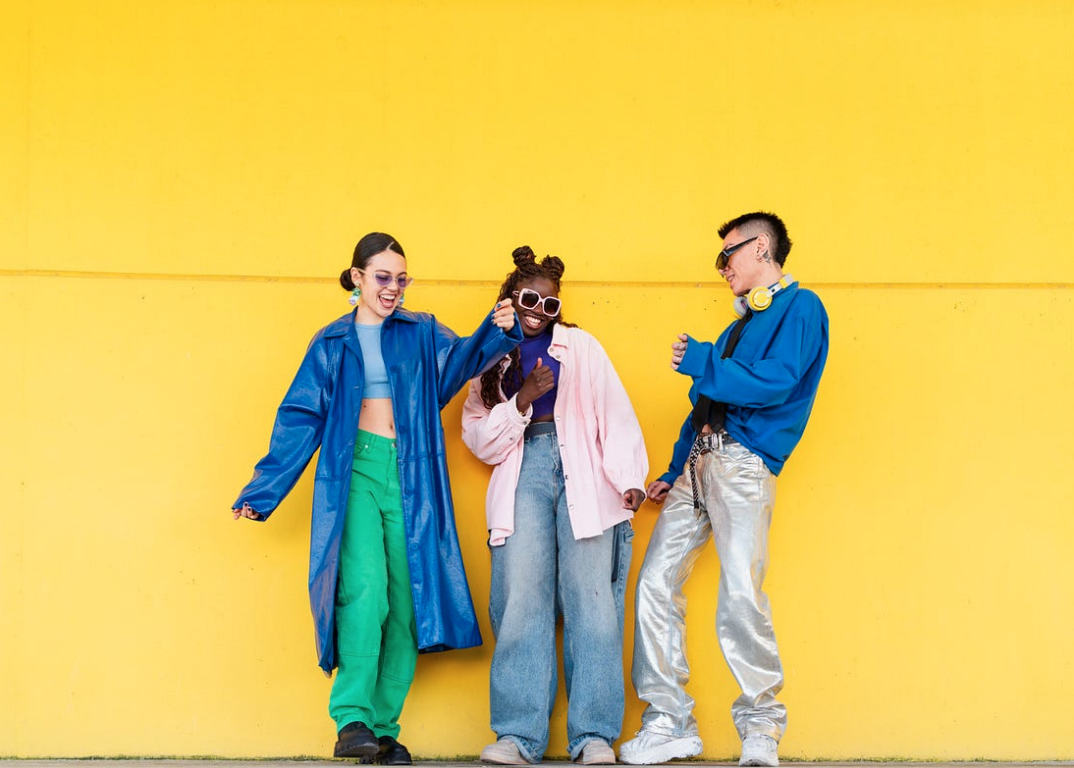
I believe we are entering the era of what I call The Human Premium—a world in which genuine human connection becomes one of the most valuable competitive advantages a brand can possess.
For years, marketing has rewarded scale. Bigger audiences, more impressions, faster production, and greater efficiency became the metrics that defined success. AI will undoubtedly accelerate those capabilities even further. But abundance changes what people value. When content becomes infinite, attention alone is no longer enough. The brands that differentiate themselves will be those that create relationships rather than simply reach.
This shift is already becoming visible across industries. Brands are investing less in polished messaging and more in authentic storytelling that reflects real experiences and real people. They are building communities instead of audiences. Rather than asking how to maximize impressions, they are asking how to deepen participation. Increasingly, the goal is not simply to be seen but to become part of someone’s identity and daily life.
This explains why experiential marketing has become such a powerful growth strategy. Pop-up experiences, creator dinners, workshops, run clubs, book clubs, wellness events, and immersive retail experiences are no longer peripheral marketing tactics. They are becoming central to how brands cultivate emotional loyalty. These experiences create something advertising alone rarely can: shared memories.
We’re also seeing unexpected industries embrace this philosophy. Fashion brands are opening restaurants. Beauty companies are hosting wellness retreats. Consumer brands are investing in community events that appear, at first glance, to have little connection to the products they sell.
Yet these investments make perfect sense when viewed through the lens of human connection. They are not selling meals or exercise classes. They are creating environments where people form relationships, and in doing so, strengthening the emotional bond with the brand itself.
This represents an important evolution in influencer marketing as well. For years, brands evaluated creators primarily through follower counts and engagement rates. While those metrics remain useful, they no longer tell the complete story. The creators who will matter most over the next decade are not necessarily those with the largest audiences. They are the ones who have cultivated genuine communities built on trust, consistency, and shared identity.

Creators have become modern community builders. Their audiences return not simply because of entertaining content but because they feel connected to the creator and to one another. They participate in recurring conversations, rituals, inside jokes, and shared experiences that extend far beyond a single sponsored post. That sense of belonging is extraordinarily difficult for brands to build on their own, making creators increasingly valuable strategic partners rather than simply media channels.
None of this suggests that brands should resist AI. Quite the opposite. Artificial intelligence will become one of the most important tools marketers have ever used. It should optimize campaigns, identify insights, personalize experiences, and eliminate repetitive work. The mistake would be allowing efficiency to replace empathy.
The brands that will outperform in the coming decade will use AI to enhance the customer experience while intentionally preserving the human moments that create trust. Technology can scale communication, but it cannot replicate authenticity. It can predict behavior, but it cannot create genuine relationships. It can generate content, but it cannot create belonging.
Perhaps this also requires marketers to rethink how success is measured. Reach, impressions, clicks, and conversions will always matter. Yet the brands creating sustainable competitive advantage are increasingly asking a different question: Did we build a community, or did we simply generate attention?
That distinction may become one of the defining questions of modern marketing.
Years ago, Harvard Business Review argued that community is not simply a marketing tactic but a business strategy. Harley-Davidson became iconic not because it manufactured motorcycles differently than everyone else, but because it cultivated an identity that people wanted to belong to. Today, that same principle is emerging across industries as brands recognize that community is becoming one of the few competitive advantages that technology cannot easily replicate.

As AI continues to reshape marketing, the opportunity for brands is not to become less human, but more intentional about protecting the humanity that technology cannot replace.
The future of marketing will certainly be powered by artificial intelligence. But the brands people remember - and ultimately choose - will be those that make them feel connected to something larger than themselves.
That is the Human Premium.
And in an increasingly automated world, it may become the most valuable asset a brand can own.
Read more post







.png)
%20(1).png)